
Leading team
-

Prof. Ana M. Vicedo-Cabrera
Principal Investigator
Mobiliar Professor on Climate Impact on public health, Institute of Social and Preventive Medicine, Oeschger Center for Climate Change Research, University of Bern, Switzerland.
Prof. Ana M. Vicedo is an environmental…
…epidemiologist specialising in the impacts of climate change on human health. Their research lies at the intersection of public health, epidemiology, and climate sciences, focusing on quantifying the health burden attributable to climate, climate change, and related environmental factors. They develop and apply new methodological approaches and lead research studies spanning local to global scales.
As the principal investigator of TACTIC, Prof. Ana M. Vicedo contributes expertise in health attribution studies to the development of training materials, as well as to the design and execution of new research studies. They lead Work Package 2 and contribute to Work Packages 1 and 3. -

Prof. Rachel Lowe
Co-Principal Investigator
ICREA Research Professor and Global Health Resilience (GHR) Group Leader, Barcelona Supercomputing Center (BSC)
Rachel's research group co-develops policy-relevant methodological solutions to enhance…
…surveillance, preparedness and response to global health challenges, with a focus on climate-sensitive infectious diseases. Rachel coordinates two Wellcome Trust digital technology, climate, and health projects, HARMONIZE and IDExtremes, which aim to provide robust data and modelling tools to build local resilience against emerging infectious disease threats. Rachel is a lead author of the IPCC Seventh Assessment Report (WGII) chapter on health and wellbeing.
In TACTIC, Rachel coordinates the application of the GHRtools climate and health workflow to address key methodological challenges in conducting health impact attribution studies and the implementation of the TACTIC digital toolkit to ensure effective knowledge exchange with policymakers and impacted communities. -
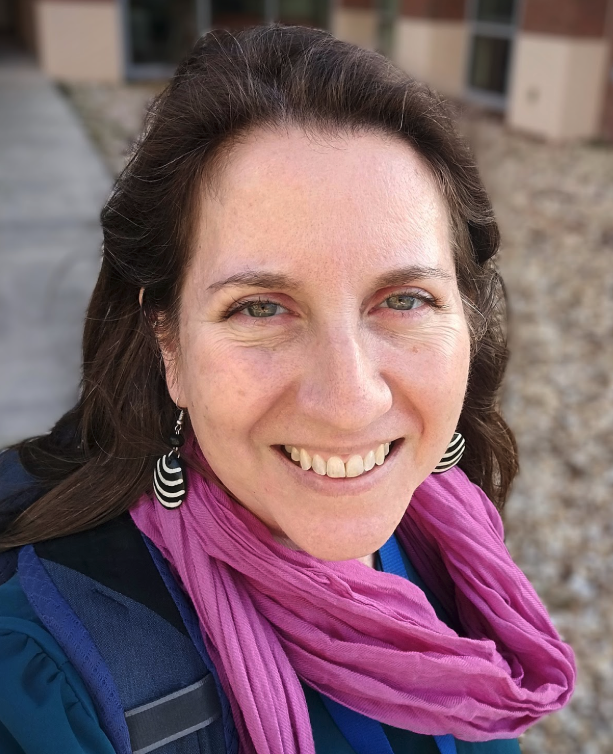
Prof. Sadie J. Ryan (she/her)
Professor of Medical Geography, Department of Geography and the Emerging Pathogens Institute, University of Florida, USA
Sadie J. Ryan is a Professor of Medical Geography, trained in quantitative disease ecology, she …
…focuses on climate and vector-borne diseases. Her research group addresses questions ranging from applying ecological theory and models to understand the suitability and spread of climate-sensitive infectious diseases (CSIDs), to geostatistical analyses of epidemiological patterns across landscapes, and multidisciplinary explorations of social-ecological systems.
Within the TACTIC project, she facilitates both the research and communications components of community and decision-making stakeholder engagement activities and contributes to climate–health attribution analysis research. -

Dr. Rupert Stuart-Smith
Deputy Director and Senior Researcher in Climate Science and the Law at the Oxford Sustainable Law Programme, University of Oxford.
Dr. Stuart-Smith leads the work of the Oxford Sustainable Law Programme at the…
…intersection of climate science and law. Trained as a climate scientist, his research examines the implications of advances in climate science for the legal duties of state and corporate actors, as well as the economic and health impacts of climate change.
Within the TACTIC project, he co-leads the consortium’s research studies that quantify health burdens attributable to human-induced climate change. -

Prof. Gabriel Carrasco-Escobar (he/him)
Associate Professor of Epidemiology, School of Public Health, Universidad Peruana Cayetano Heredia (UPCH), and Director, Health Innovation Laboratory (InnovaLab). Board Member, Institute of Tropical Medicine “Alexander von Humboldt”, Peru..
...Prof. Carrasco holds an MS in Epidemiology from UPCH and a PhD in Public Health from the University of California, San Diego (UCSD). His research focuses on the intersection of infectious disease epidemiology, climate change, human mobility, and urban environments, applying causal inference, spatio-temporal analysis, machine learning, and remote sensing to understand infectious disease dynamics in complex environmental contexts.
In 2024, he was recognized as one of MIT Technology Review’s Innovators Under 35 in Latin America.
Within the TACTIC project, he serves as the Principal Investigator in Peru, overseeing scientific direction, coordination, and integration across work packages. -
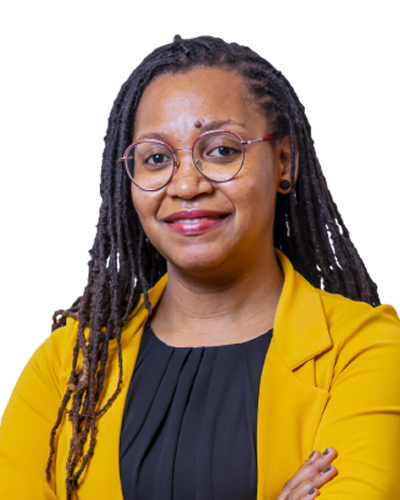
Dr. Tatiana J. Marrufo (she/her)
Public Health and Environmental Health expert, Program Lead of Environmental Health, including the Occupational Health, ‘’Instituto Nacional de Saúde’’, Mozambique.
Tatiana is a Medical Physician trained in Public…
…Health with a focus on environmental health. She is currently pursuing a doctorate in Ecology and Environmental Health. Her research group addresses issues related to climate and environmental risks and their impacts on health, ranging from climate-sensitive infectious diseases to non-communicable diseases, seeking to understand epidemiological and environmental drivers, develop risk maps, and model future scenarios through a multidisciplinary approach.
Within the TACTIC project, she leads the country team in addressing local aspects related to evidence generation, stakeholder engagement, and the implementation of new methods and approaches in climate–health attribution analysis research. -
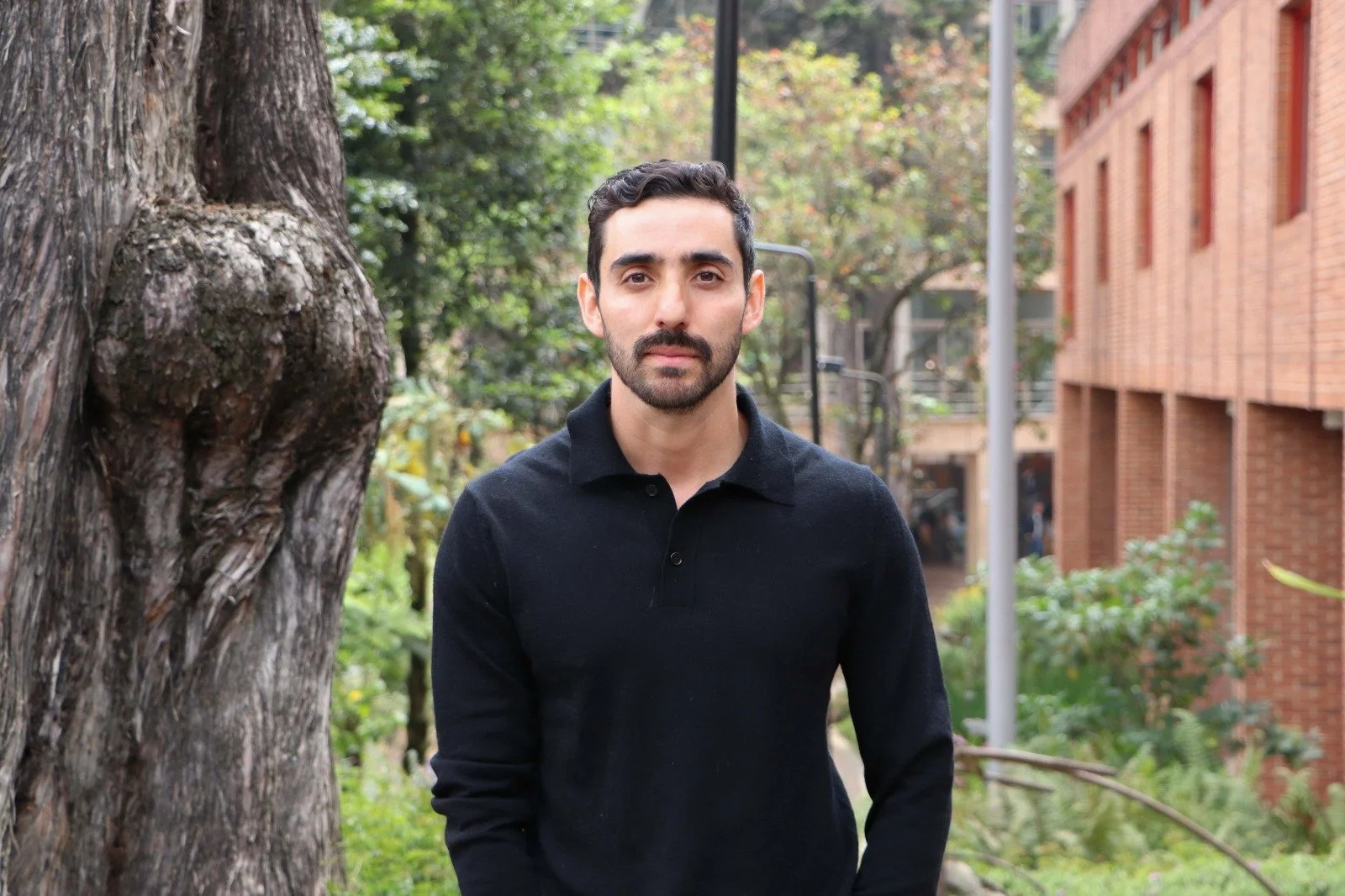
Mauricio Santos Vega (He/his)
Assistant Professor, Department of Biological Sciences , Universidad de los Andes, Colombia
Mauricio is a quantitative disease ecologist who analyzes complex datasets to understand how climate influences health, particularly the spread…
…of infectious diseases. His research examines the roles of climatic, demographic, and behavioral factors in shaping vector-borne disease dynamics and explores how environmental changes influence pathogen evolution. He integrates artificial intelligence, big data, and mathematical models with inference methods to develop analytical tools and deepen understanding, with the goal of improving decision-making in health and climate contexts.
Within the TACTIC project, he collaborates with Dr. Stuart-Smith to define and construct case studies that apply different climate–health attribution approaches, and participates in research activities focused on climate–health attribution analysis. -
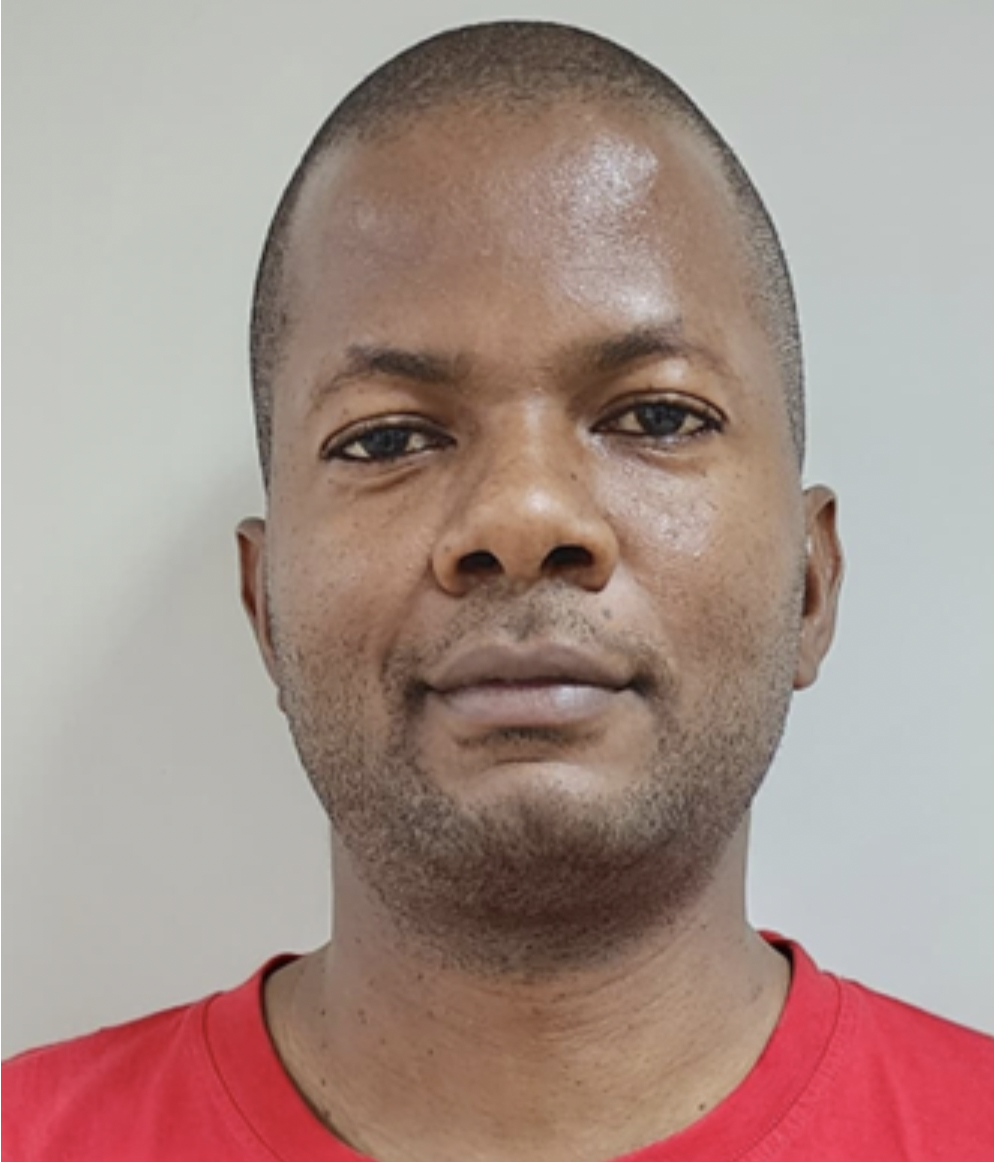
James Chirombo
Lecturer in Statistics, Department of Clinical Sciences, Liverpool School of Tropical Medicine, UK; Biostatistician, Malawi Liverpool Wellcome Programme, Blantyre, Malawi
James is a biostatistician with expertise…
…in spatiotemporal statistical modelling. His work focuses on developing models to characterise the impact of environmental changes including climate variation and change on climate-sensitive infectious diseases (CSID). He is also interested in understanding how human mobility patterns, both short- and medium-term contribute to heterogeneity in disease transmission.
For the TACTIC project, he is taking part in climate-health attribution case studies, with a particular focus on Malawi. -
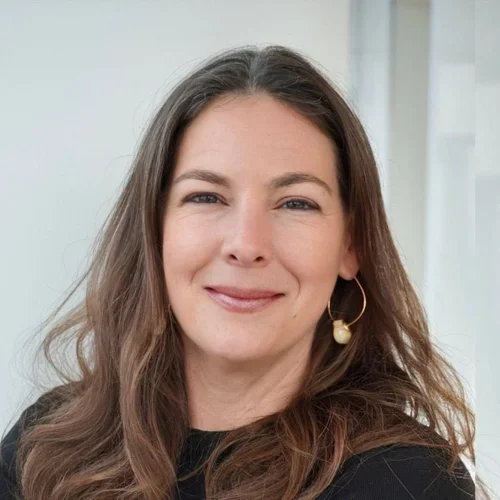
Joy Shumake-Guillemot
Joy Shumake-Guillemot leads the WHO/WMO Joint Office for Climate and Health in Geneva Switzerland, and is the co-coordinator of the GHHIN. She is an environmental health scientist and public health practitioner who has worked…
…with WHO, WMO, UNICEF and others to develop public health policy and programming for climate adaptation and risk management. She has extensive field experience in Africa, Asia, and Latin America supporting public health and humanitarian assistance programs.
Joy is a leading voice in the field of climate services for health. For over a decade, she has been working at the interface of WMO and WHO to to accelerate the availability, access and use of climate and weather information that can improve public health policy and practice. Joy received her MSc in Environment and International Development Policy from the University of East Anglia (UK) and Doctor of Public Health in Environmental Health Sciences from Johns Hopkins University (USA).
Colombia team
-

Natalia Niño (she/her)
Research associate, Department of Biological Sciences, Universidad de los Andes, Colombia.
Natalia is a qualitative researcher trained in anthropology and Science and …
…Technology Studies (STS). Her work explores the intersection of climate and health in Latin America, particularly in relation to infectious diseases. She is interested in how epidemiological tools and data systems can be co-designed with local actors from a sociotechnical perspective.
As part of the TACTIC project, she coordinates the qualitative research in Colombia, mapping stakeholders and documenting local perspectives on climate–health attribution. -

Juan D. Umaña
PhD student, Faculty of Engineering, researcher at the Department of Biological Sciences at Universidad de los Andes (Colombia).
Juan is a biomedical engineer with…
…experience in disease ecology, research software engineering, and epidemiology research. His work focuses on the mathematical modeling of vector-borne diseases, particularly mosquito dynamics and the socioeconomic factors that drive dengue transmission and influence outbreak burden.
Within the TACTIC project, he works as a data scientist studying climate change attribution on vector-borne disease patterns. -
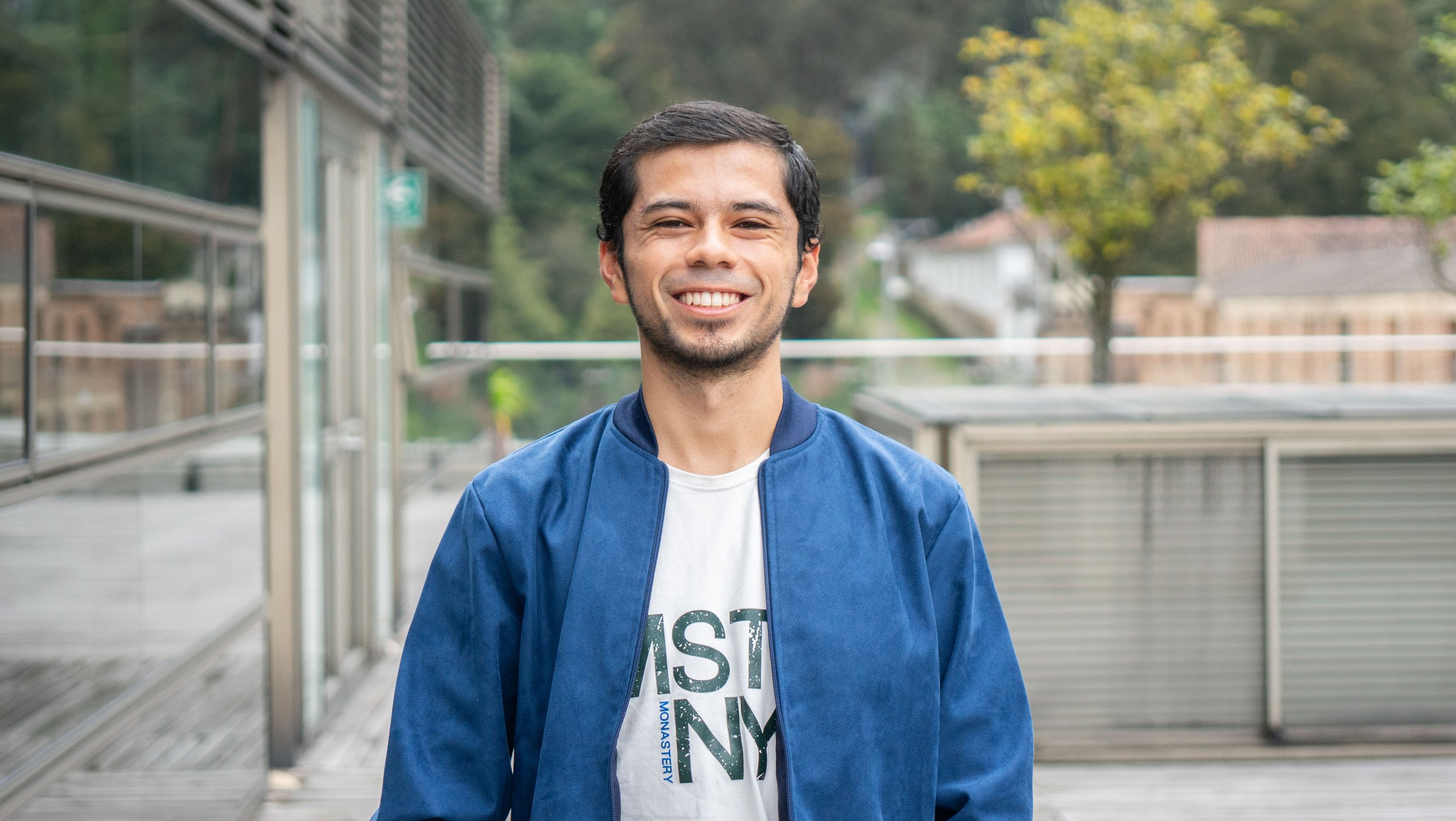
Juan Montenegro-Torres
Junior researcher, Department of Biological Sciences, Universidad de los Andes, Colombia.
Juan is a biomedical engineer specializing in data science, with a focus on applying…
…machine learning and deep learning to understand and predict the impact of climate variability on public health in Colombia. His work integrates environmental and epidemiological data to support evidence-based decision-making and to develop predictive tools that enhance early warning systems and risk communication.
Within the TACTIC project, he works as a data scientist, contributing to research activities on climate–health attribution analysis in Colombia.
Barcelona team
-

Bianca Corpuz (she/her)
Postdoctoral Researcher, Global Health Resilience Group, Barcelona Supercomputing Center, Spain
Bianca is a Postdoctoral Researcher in the Global Health Resilience group at the…
…Barcelona Supercomputing Center, where she develops methods to evaluate how climate change contributes to human health impacts. Her research integrates climate, environmental, and health data to build health impact attribution models that help identify and explain the drivers of climate-related health outcomes.
Within the TACTIC project, she contributes to the development of the digital toolkit and training resources for health impact attribution, conducts climate–health analyses, and collaborates with international partners on stakeholder engagement and applied research. -
Ania Kawiecki Peralta
Postdoctoral Researcher, Global Health Resilience Group, Barcelona Supercomputing Center, Spain
Ania is a veterinarian and epidemiologist specializing in vector-borne diseases…
…Her work focuses on spatio-temporal modelling within a Bayesian framework to evaluate surveillance effectiveness, assess intervention impacts, and improve outbreak prediction. She also develops digital tools that make these modelling approaches more accessible to practitioners and decision-makers.
Within the TACTIC project, she contributes to the development of health impact attribution methods for infectious diseases and related resources and tools. -
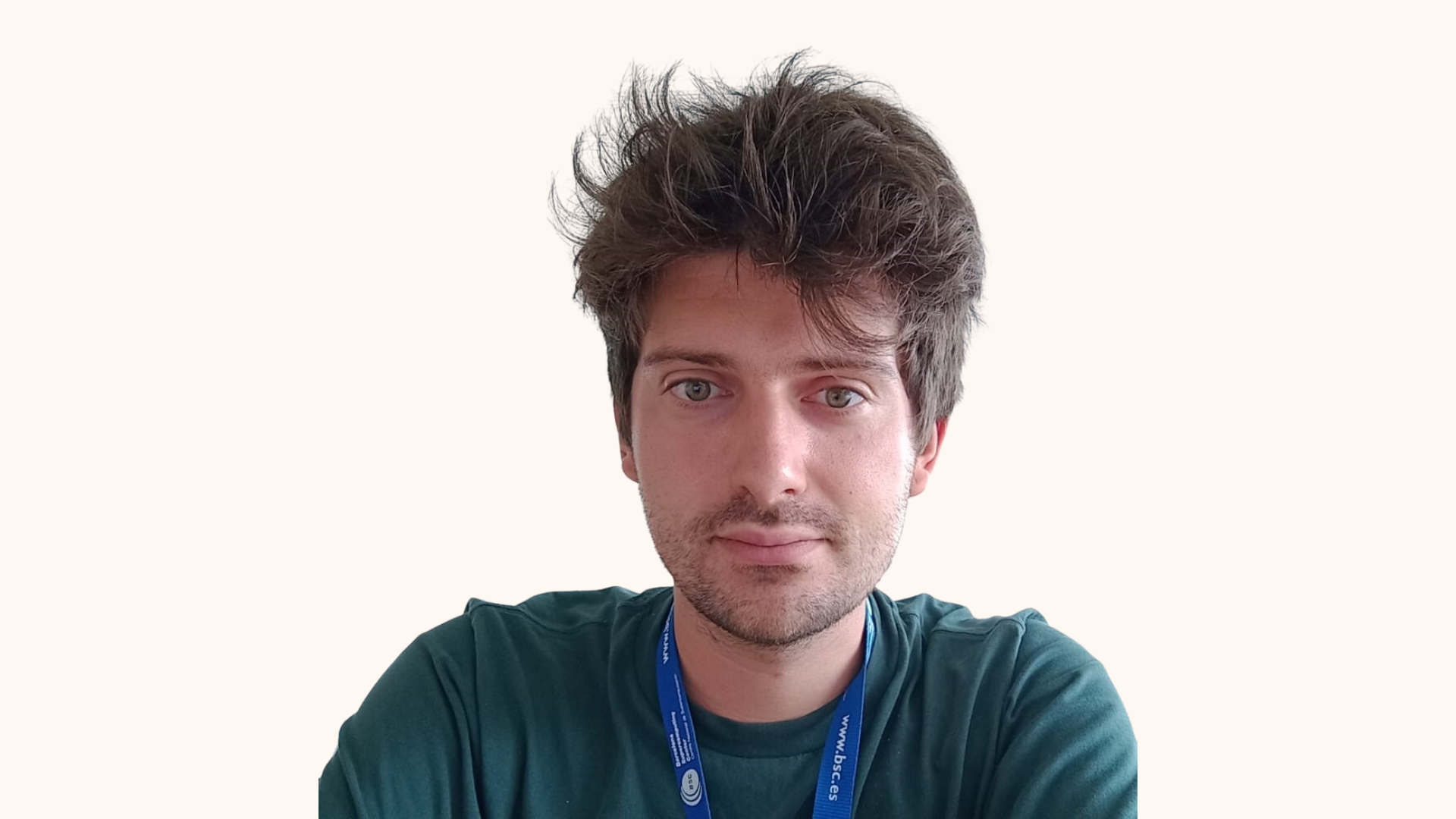
Giovenale Moirano (he/him)
Assistant Professor of Biostatistics and Epidemiology in the Department of Medical Sciences, University of Turin, Italy, and Visiting Researcher in the Global Health Resilience Group at the Barcelona Supercomputing Center, Barcelona, Spain.
Giovenale is a medical doctor trained in epidemiology and biostatistics, with a focus on environmental epidemiology and spatio-temporal modelling. His research centres on spatio-temporal modelling of climate-sensitive infectious diseases (CSIDs), time-series methods for environmental epidemiology, and life-course epidemiology approaches to evaluating the effects of environmental exposures on health trajectories.
For the TACTIC project, he applies climate–health attribution methods to understand the impacts of climate change on infectious disease spread and the associated health burden. -
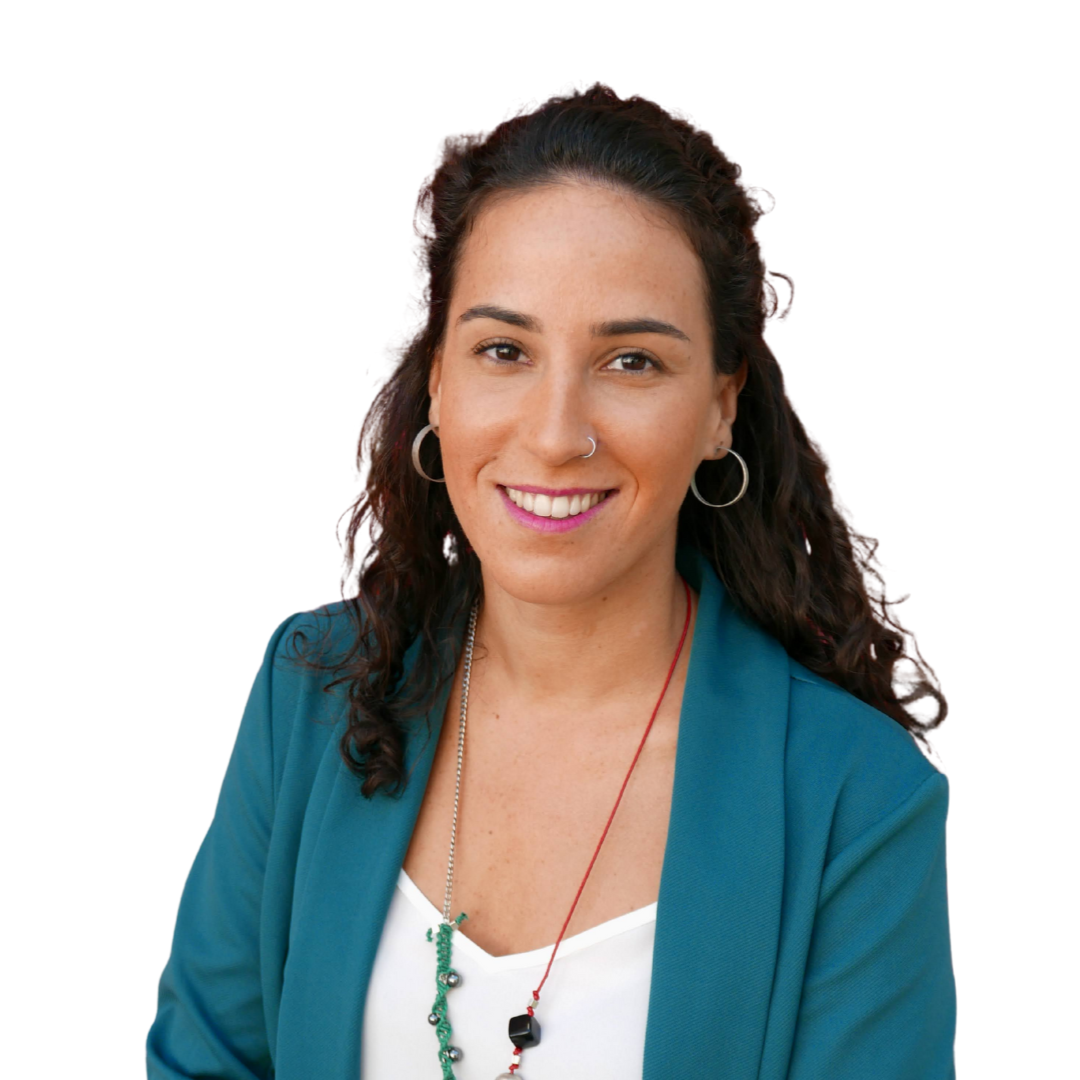
Clàudia Huertas Martínez (she/her)
Science Communication Specialist, Knowledge Integration Team, Earth Sciences Department, Barcelona Supercomputing Center (BSC), Barcelona, Spain
Claudia was trained in Biology, Business Administration, and Science Communication, she works to bridge the gap between science and society through innovative communication strategies and transdisciplinary collaboration, with a particular focus on the health impacts of climate change.
-
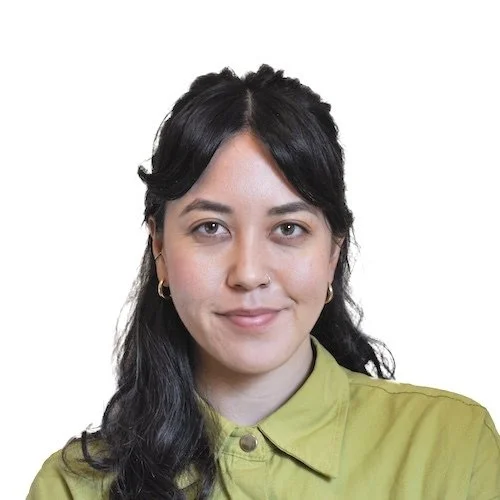
Kelsey Bailey
Kelsey is a Product Designer at the Barcelona Supercomputing Center within the Earth Science Systems Department. She focuses on user experience and user interface design…
…for digital projects such as climate forecasting dashboards, community platforms for researchers, and narrative-style project websites. Her work involves understanding user needs and translating them into effective design solutions.
Within the TACTIC project, she will be working in the design of the digital toolkit accessible via a web platform. She prototypes and tests low- to high-fidelity designs to ensure they are intuitive, functional, and tailored to user needs. -
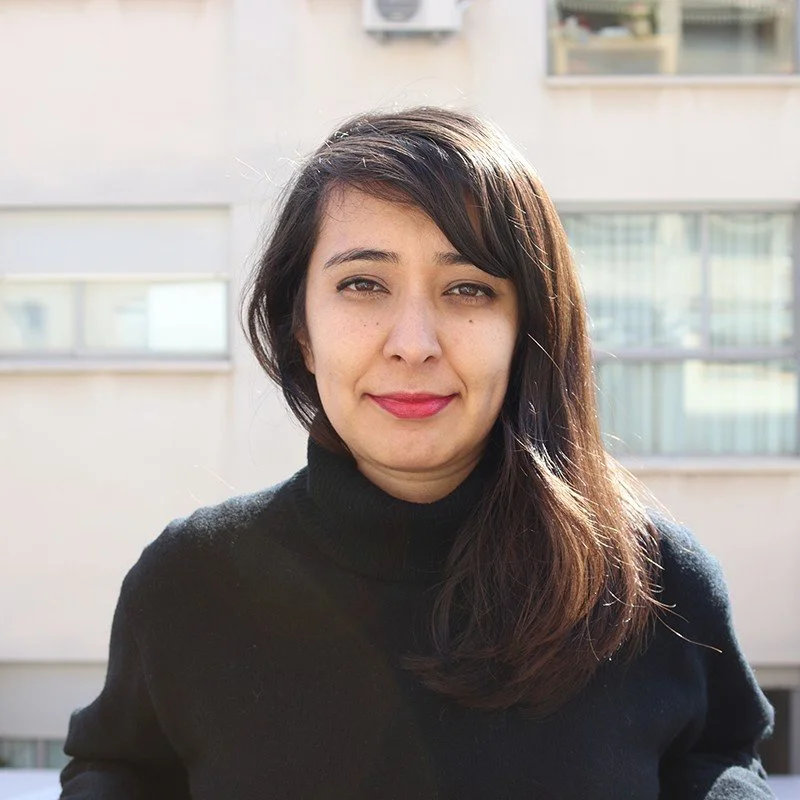
Diana Urquiza (she/her)
Diana is a product and service designer working in the Earth System Services group in the Earth Sciences Department at the Barcelona Supercomputing Center, where she collaborates with different…
…groups and teams to create tools and services that help scientists, decision-makers and practitioners use climate and health information in their work.
For the TACTIC project she wil be working together with Kelsey in the digital platform where the toolkits and different resources will be available.
Mozambique team
-

Eduardo Samo Gudo, MD, PhD (he/him)
Director General and Senior Research in Climate Change and Health, National Institute of Health, Mozambique
Eduardo graduated in Medicine, holding a PhD in Immunology and Virology and…
…Post-Doctoral training in Emerging Infectious.
His current research interests focuses on Climate Change and Health. Eduardo co-led the establishment of the Climate Change and Health Observatory in Mozambique. His research work focus on the impact of climate change on health and innovations on health system resilience to climate change.
For the TACTIC project, he will lead the strategic and programmatic aspects of the project at country level, as well as facilitating the engagement of national stakeholders, and also the translation of the project's evidence into policies to be integrated at the national health system. -
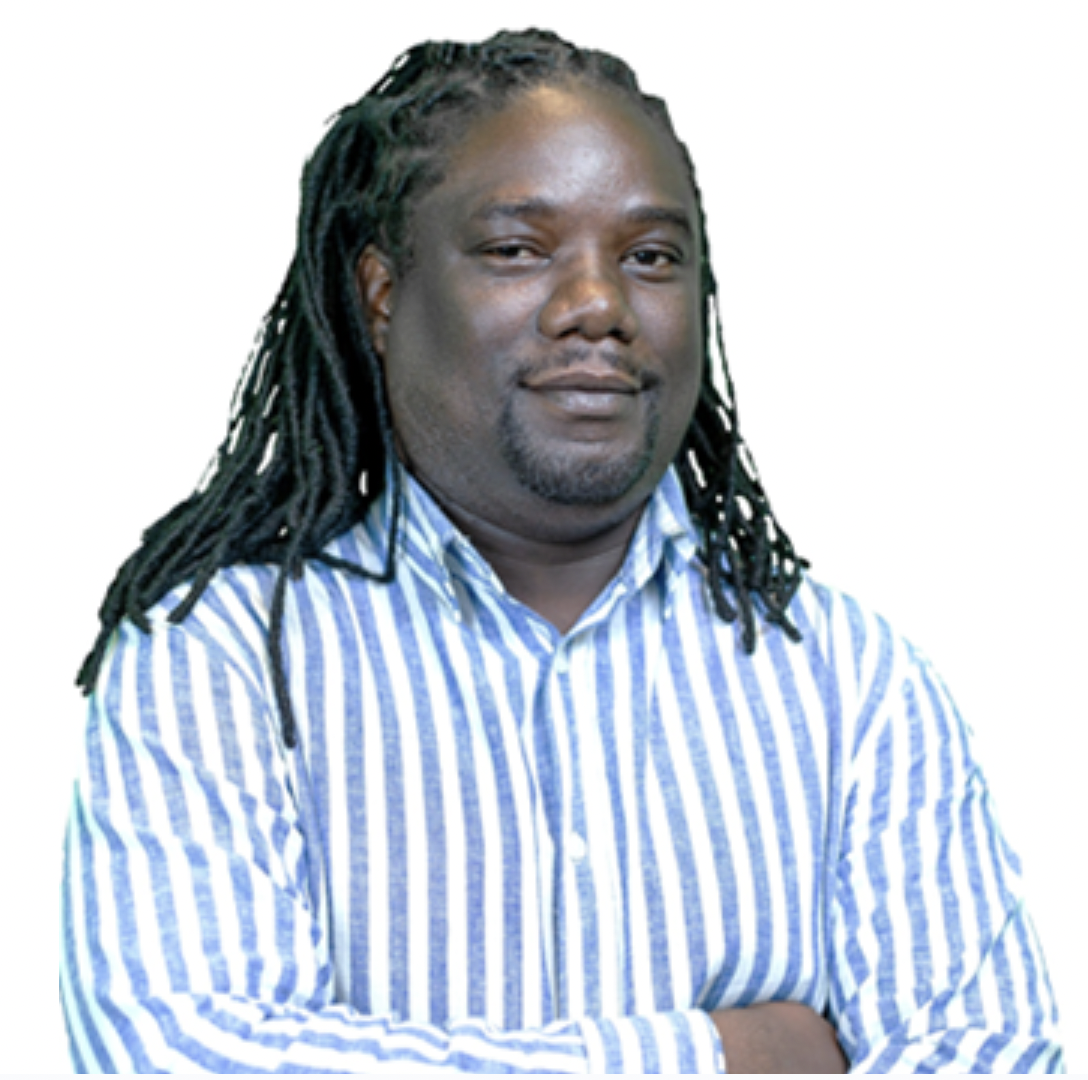
Osvaldo Inlamea, DVM, PhD (he/him)
Vector-Borne, Neglected, and Zoonotic Diseases Program Coordinator and Senior Climate and Health Researcher at the Instituto Nacional de Saúde – MoH- Mozambique…
Osvaldo is a molecular epidemiologist, with a background in life sciences and One Health, he is also a veterinarian by training. Currently, I focused on One Health, climate and health, and vector-borne, neglected, and zoonotic diseases. Osvaldo also coordinates the emerging and re-emerging diseases research group and is a member of the acute respiratory infections group, consistently linking climate and health.
For the TACTIC project, Osvaldo will be responsible for the Data-to-Action and community engagement component between WP2 and WP3. -

Américo Feriano José, MSc, PhD-c (he/him)
Climate Change and Health expert. National Coordinator of the Multisectoral Epidemiological Modeling Group and Head of the Health Scenario Monitoring Division of the National Health…
…Observatory, ‘’Instituto Nacional de Saúde’’, Ministry of Health of Mozambique.
Américo is a Geographer, trained in Disaster Risk Management and Adaptation to Climate Change and PhD candidate in Environmental Studies. He leads research related to the vulnerability and adaptation of the health sector to Climate Change, impacts of air pollution on the health sector, and Early Warning Systems (short, medium, and long term) for climate-sensitive diseases.
For the TACTIC project, he have been coordinating WP3 in Mozambique, which addresses Data-to-Action. -
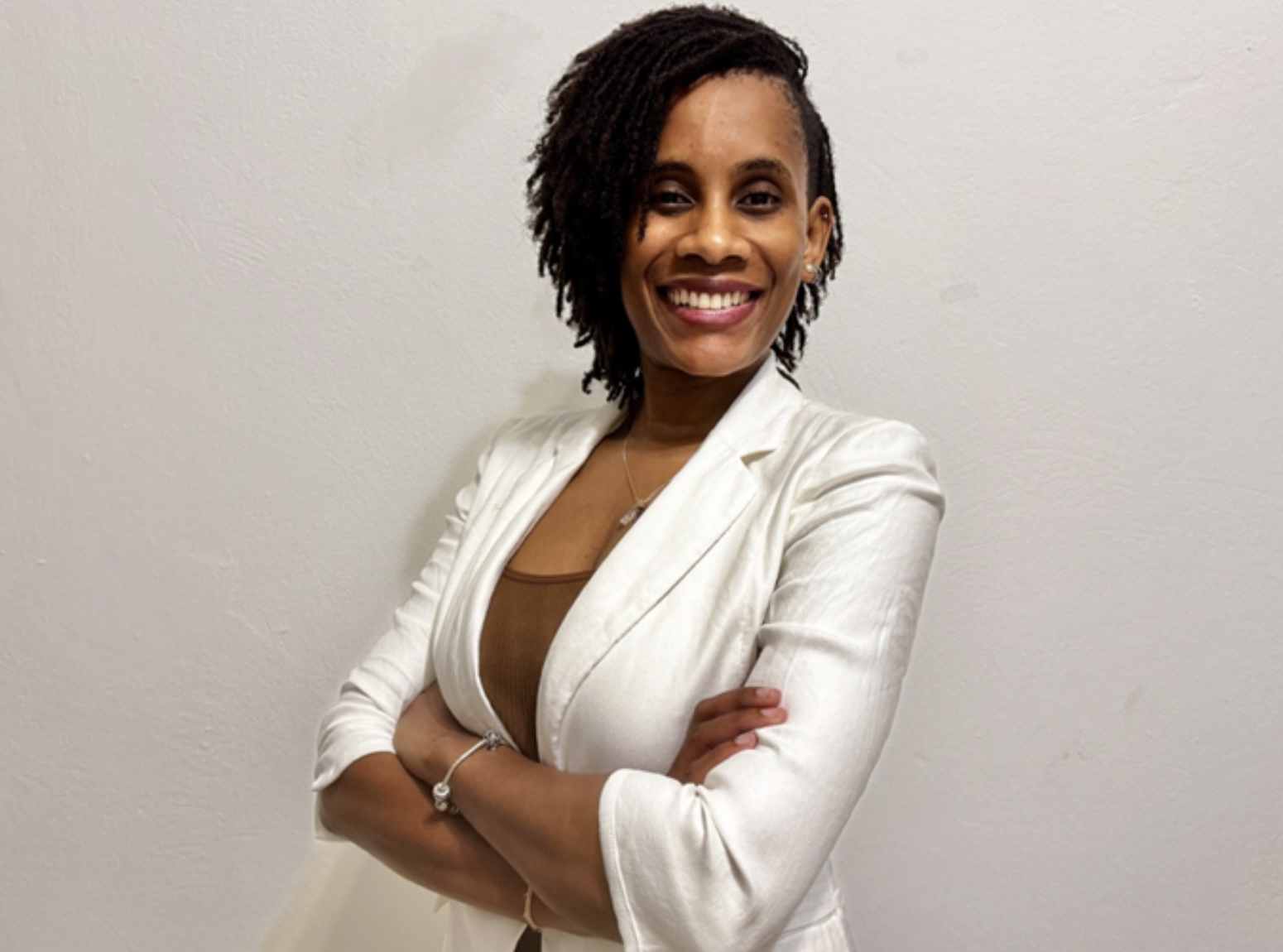
Plácida Iliany Maholela , DVM, PhD-c (she/her)
Junior researcher, Scientific programs for vector-borne, neglected, and zoonotic diseases and climate, environment including worker health, Instituto Nacional de Saúde, Mozambique
Plácida is a veterinarian and junior researcher focused on climate-sensitive, vector-borne, neglected, and zoonotic diseases. Her work aims to develop better tools for disease detection and prevention, with a strong interest in bridging biology and computational science through artificial intelligence.
For TACTIC, her role is to provide technical and scientific support in data science and statistics, focusing on Mozambique’s health indicators and contribute to the development of the digital toolkit as well as support its validation.
Oxford team
-
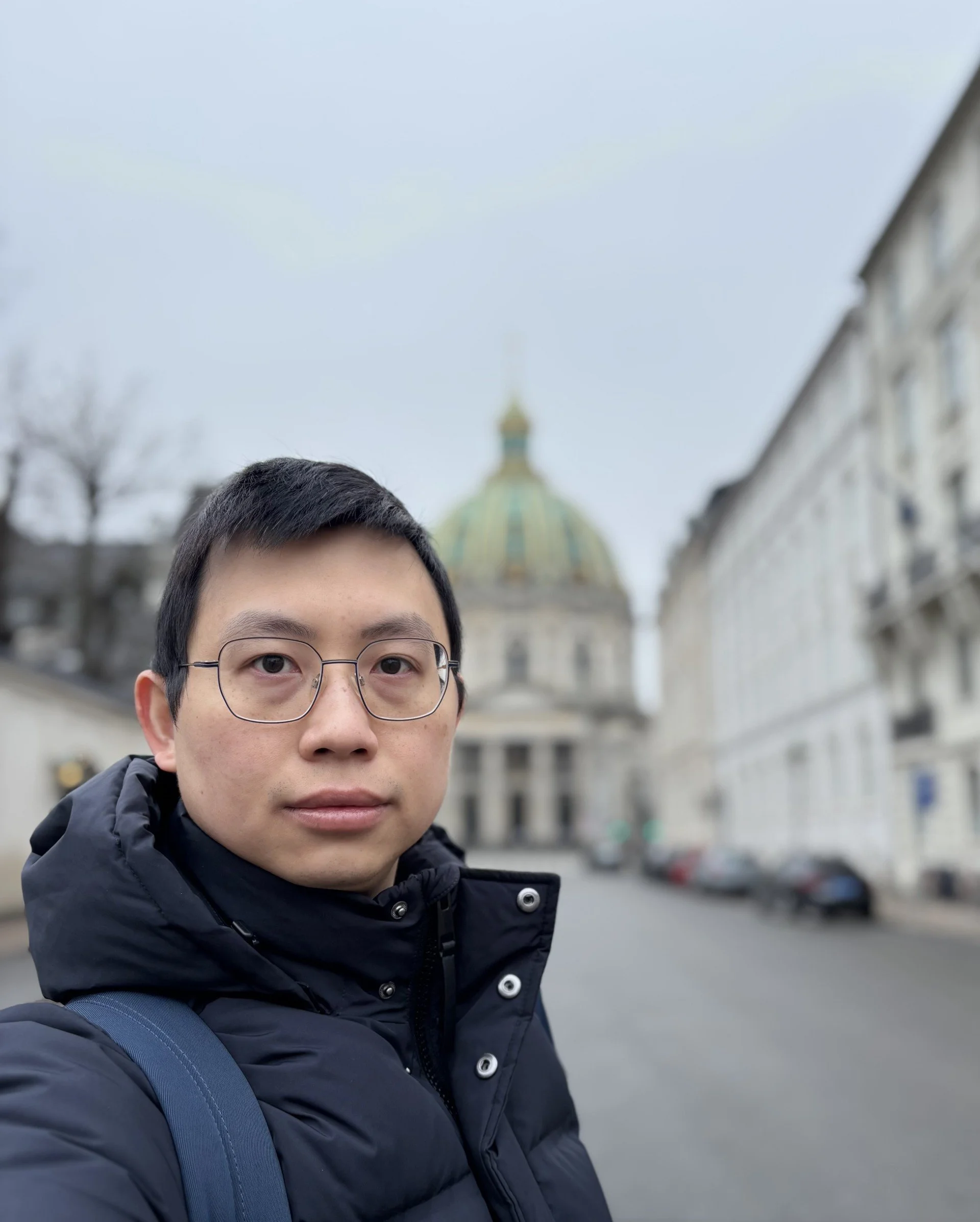
Linh Nhat Luu
Researcher in Climate Change Attribution, Oxford Sustainable Law Programme, Smith School of Enterprise and the Environment, University of Oxford.
His recent research focuses on analysing the characteristics of atmospheric blocking over Greenland, a high-impact large-scale circulation pattern, how climate models reproduce these characteristics, and the causes and impacts of Greenland blocking variability and trends over the region. In a broader context, he is interested in modelling extreme weather and climate variables and investigating the extent to which human-induced climate change alters their statistical properties, combining multi-model ensemble approaches, statistics, and climate science.
Within the TACTIC project, he analyses the effect of climate change on weather and climate variables and how these, in turn, impact human health, in partnership with colleagues working on health modelling. -
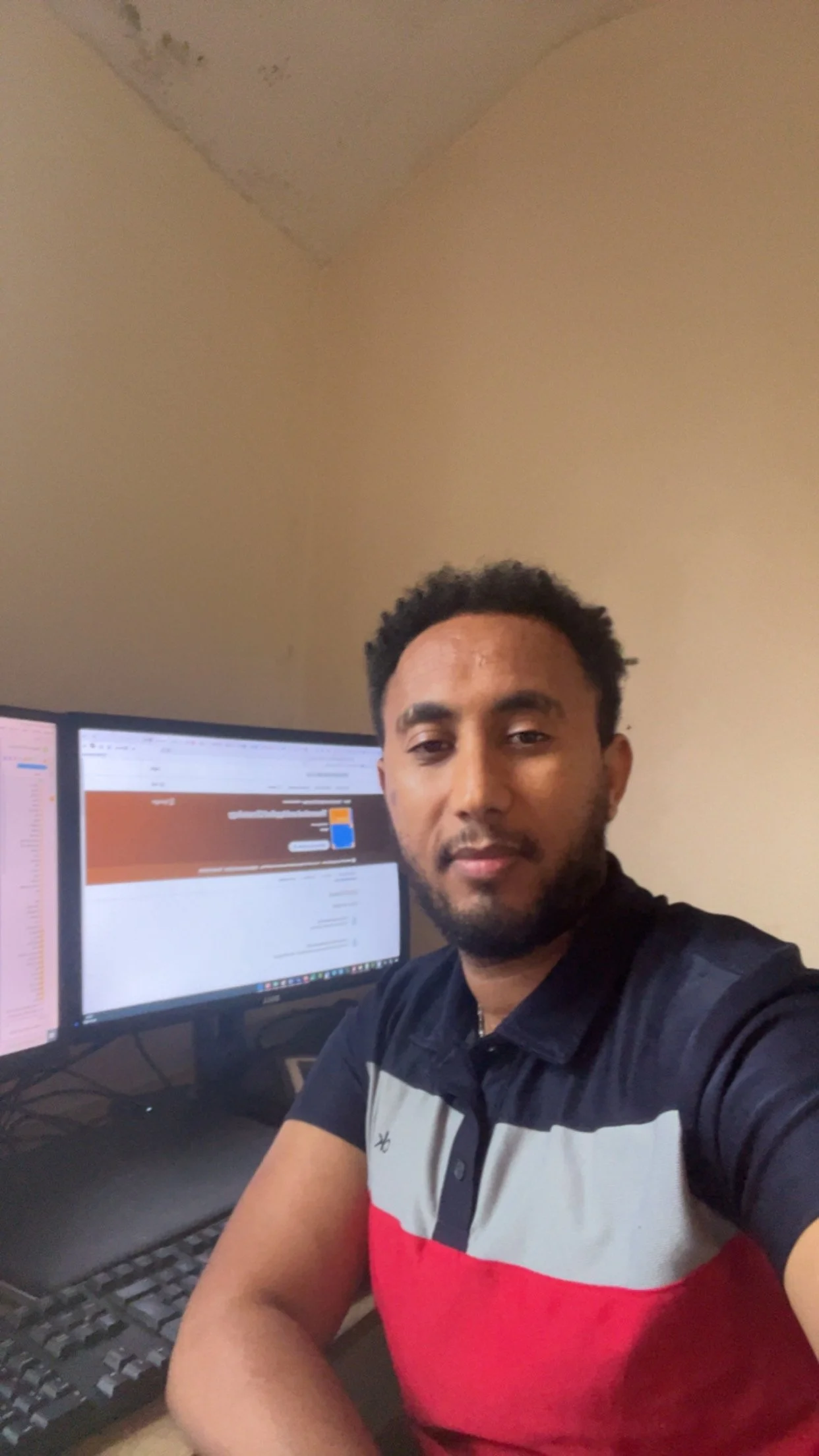
Solomon Hailu Gebrechorkos
Research Associate,Research Associate, Oxford Sustainable Law Programme, Smith School of Enterprise and the Environment, University of Oxford.
Solomon is a climate scientist focusing on climate change attribution for health and food production by integrating climate and sectoral models. Solomon is an experienced researcher in climate, hydrology, and hydroclimate extremes, with expertise in climate and hydrological modelling and the creation of high-resolution datasets as a key tool.
Within the TACTIC project, he will conduct climate change attribution analyses in collaboration with health modelling colleagues to evaluate and quantify the health impacts of climate change.
Perú team
-

Penélope S. Brou
Associate Researcher, Institute of Tropical Medicine “Alexander von Humboldt”, and Impact Coordinator, Health Innovation Laboratory (InnovaLab), Universidad Peruana Cayetano Heredia (UPCH), Peru.
Penélope holds an MPH from UPCH…
…and a BA in Political Science from Pontificia Universidad Católica del Perú. Her research interests include climate change, health equity, and vulnerable populations, with experience in community engagement and translating scientific evidence into public communication and policy decision-making.
For the TACTIC project, she leads Working Package 1 within the Peru team, coordinating community engagement, research design, and stakeholder involvement activities. -
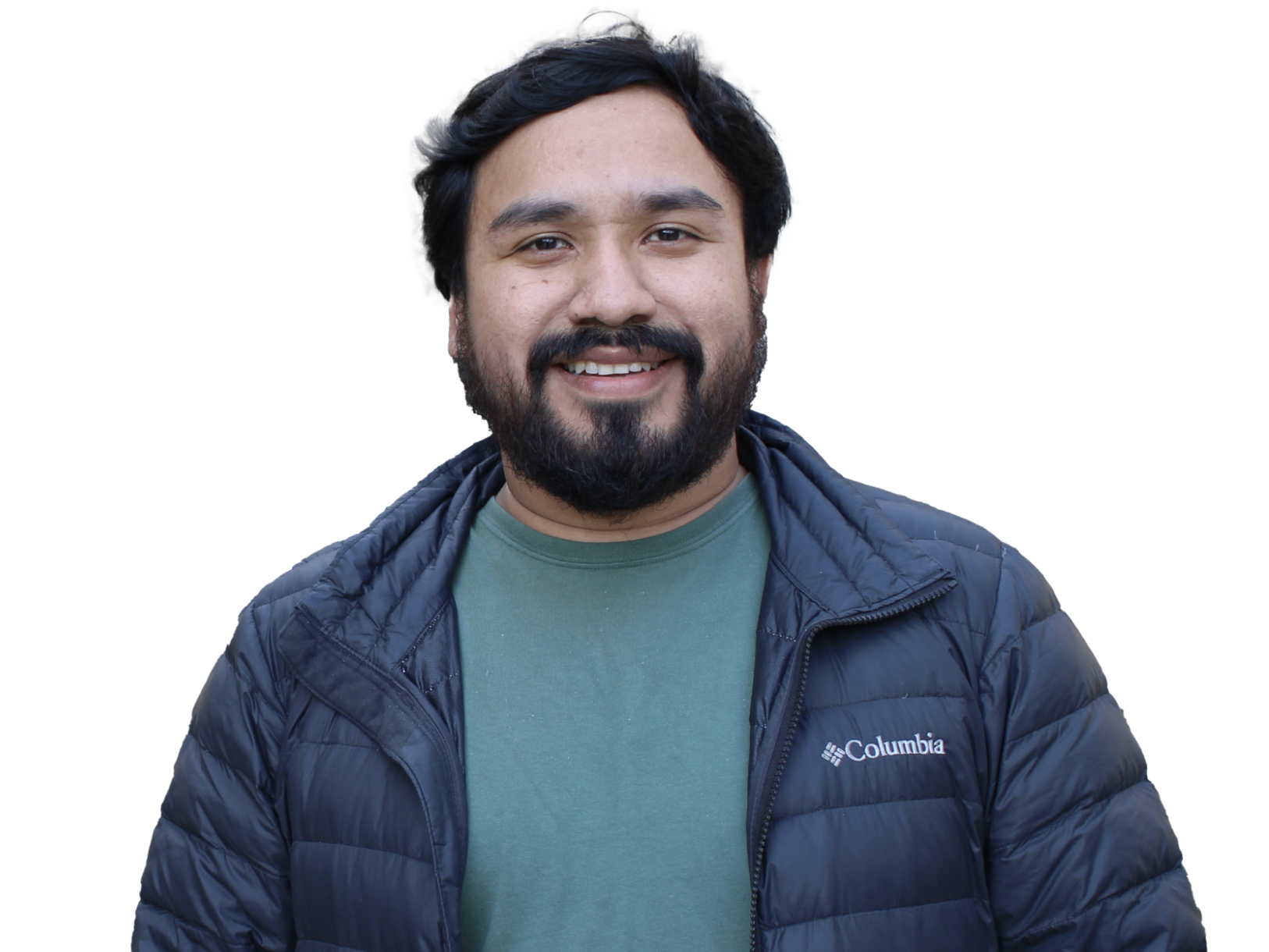
Bryan Fernandez Camacho (he/him)
Associate Researcher, Institute of Tropical Medicine “Alexander von Humboldt”, Universidad Peruana Cayetano Heredia (UPCH), and Researcher, Health Innovation Laboratory (InnovaLab), Lima, Peru.
Bryan is an epidemiologist with a Master of Science in Epidemiological Research from UPCH. His work focuses on spatial epidemiology, infectious diseases, public health, and data science, integrating rigorous research with innovative approaches to address health challenges in diverse settings.
For the TACTIC project, he leads Working Packages 2 and 3 within the Peru team, supporting analyses that link climate, health, and data-driven methods. -
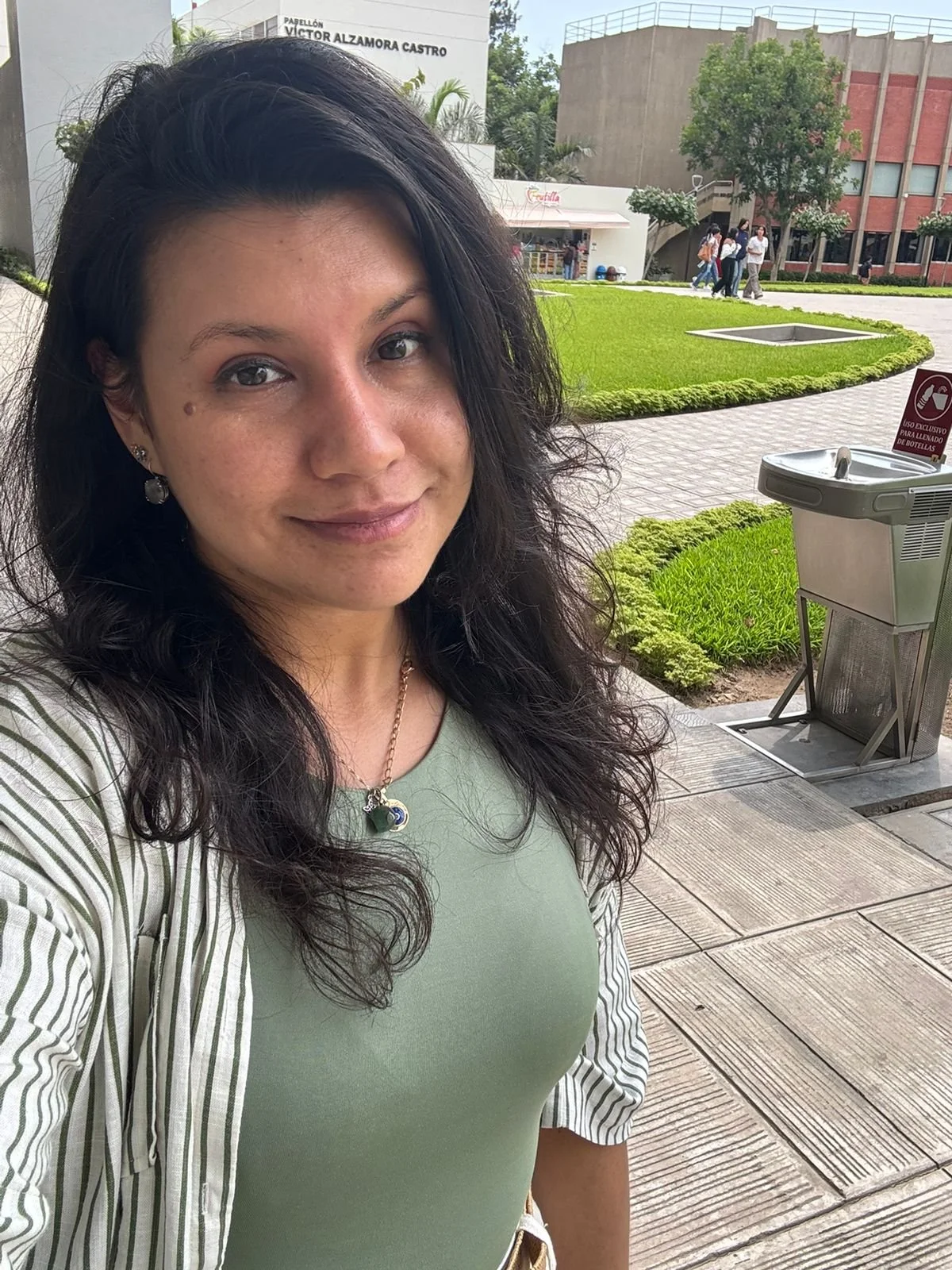
Lucía Bartolini
Lucía Bartolini is a Health Administrator from Universidad Peruana Cayetano Heredia. She holds postgraduate studies in Public Management and Governance from Universidad de Piura, as well as in Pharmacoeconomics…
…from Universitat Pompeu Fabra (Barcelona). She is currently a Master’s candidate in Project and Social Program Management at Universidad Peruana Cayetano Heredia.
She has over 10 years of experience in the pharmaceutical industry, with a strong focus on access to medicine strategies for rare diseases and highly specialized conditions. Since 2021, she has been serving as a Project Manager in research projects related to infectious diseases, climate change, and health.
University of Bern
-
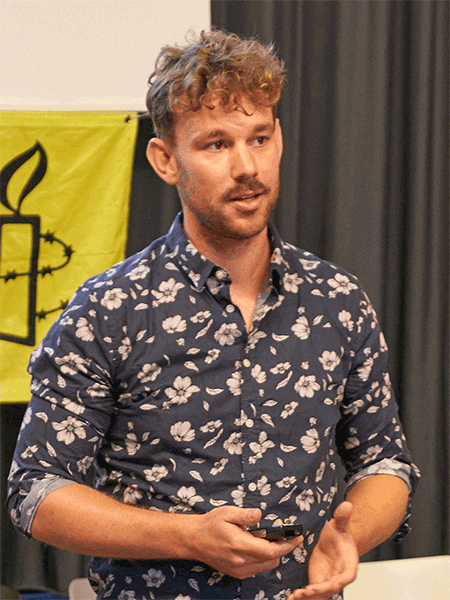
Samuel Lüthi (he/him)
Postdoctoral Researcher at the Institute of Social and Preventive Medicine (ISPM) and the Oeschger Centre for Climate Change Research (OCCR) at the University of Bern, Switzerland.
Samuel is a climate scientist with a background in natural catastrophe impact modelling. His research lies at the intersection of climate science and environmental epidemiology, where he seeks to advance understanding of how the rapidly changing climate, particularly climate extremes, impacts public health.
For the TACTIC project, he conducts research on the future impacts of the climate crisis on public health and supports the development of tools to attribute climate-related health effects to human-induced climate change. -
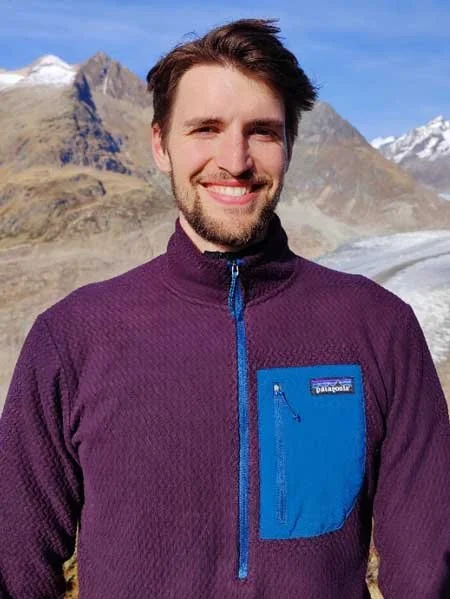
Tino Schneidewind (he/him)
PhD Candidate, Institute of Social and Preventive Medicine (ISPM) and Oeschger Centre for Climate Change Research (OCCR), University of Bern, Switzerland.
With a background in climate science, his research focus lies at the intersection between environmental epidemiology and climate science. Tino aims to quantify the attributable impact of climate change on public health.
For the TACTIC project, he will contribute to studies and develop tools on impact attribution of climate change, which intend to support the needs of local stakeholders -
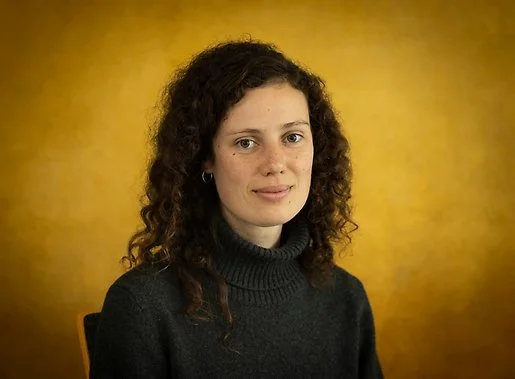
Emma Holmberg (she/ her)
Postdoctoral Researcher, Institute of Social and Preventive Medicine (ISPM) and Oeschger Centre for Climate Change Research (OCCR), University of Bern, Switzerland.
Emma’s background is primarily in weather and climate, particularly predicting weather and climate extremes and how they affect society. She has recently focused more specifically on predicting public health impacts from weather (over weeks) to climate (over years) time scales in the context of climate change.
For the TACTIC project, she conducts research on attributing and predicting health impacts in a changing climate.